Heat recovery ventilators
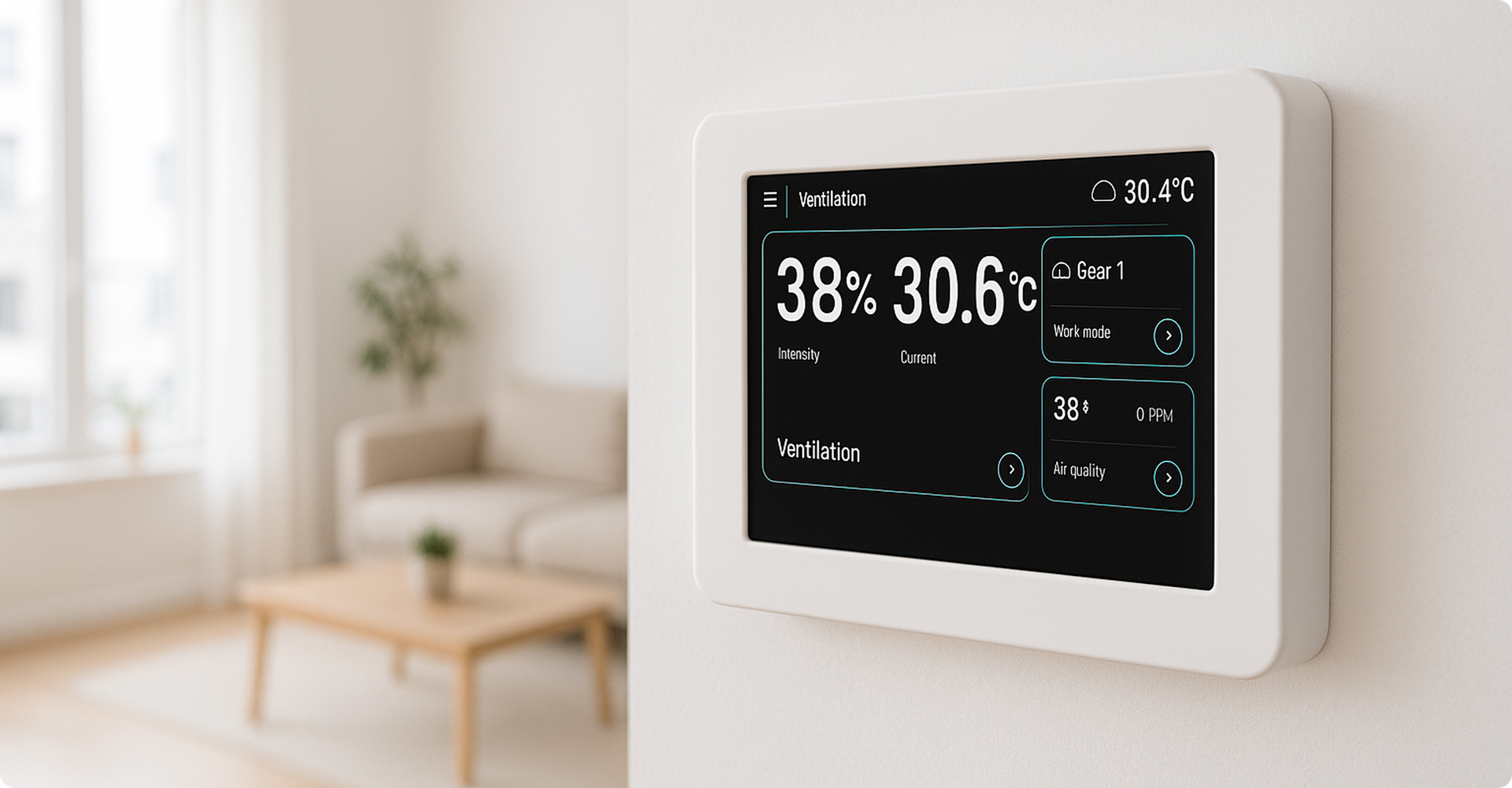
A heat recovery ventilator is the core of a modern ventilation system, ensuring a constant supply of fresh air indoors and efficient heat recovery. When choosing a unit, the most important factors to consider are the size of the home and the number of occupants, as these determine the required airflow capacity. Typically, around 30 m³/h per person is recommended. It is also worth considering whether an enthalpy heat exchanger is needed. This type of exchanger not only retains heat but also recovers moisture, which is especially important during winter when indoor air often becomes too dry. Another key aspect is the control system. Basic controls usually do not allow for airflow balancing or setting operating schedules, so if more functionality is desired, it is worth choosing a smart control option. It is also recommended to plan the duct layout in advance. If possible, arranging a professional ventilation design project is a wise decision.
The most common mistake is selecting a heat recovery ventilator with the wrong capacity. A unit that is too weak will not provide enough fresh air, while one that is too powerful will waste energy unnecessarily and increase noise levels. Another frequent mistake is choosing an unsuitable location for the unit, for example placing it too close to bedrooms where the noise may be heard, or installing it without a proper condensate drainage system. A further issue is failing to leave enough space for filter maintenance during installation, or not designing the duct branches according to airflow balancing requirements. In addition, failing to balance the system often leads to uneven airflow, drafts, or inefficient heat recovery.
A heat recovery ventilator is a long-term investment, so regular maintenance is essential. Filters are recommended to be replaced every 3–6 months, depending on the level of pollution and the location of the home, for example near a forest, on busy streets, or in the city center. Before carrying out airflow balancing, new filters must be used, as this directly affects the accuracy of the measurements. At least once a year, it is advisable to check the airflow balancing and carry out a visual inspection of the heat exchanger, condensate drainage, and fan condition. Manufacturers also often recommend periodic cleaning of the heat exchanger, especially if the unit is used continuously throughout the year.
A properly selected and adjusted heat recovery ventilator can reduce heating costs by up to 30%, especially in newly built homes with airtight structures. An enthalpy heat exchanger helps maintain proper indoor humidity levels and is especially recommended for people with sensitive respiratory systems. Keep in mind that not all heat recovery ventilators are suitable for apartments. In such cases, it is best to choose compact, quiet models with vertical duct connections. Finally, it is worth investing in professional installation and commissioning. This will not only help avoid installation mistakes but also ensure that the manufacturer’s warranty remains valid.
Air conditioners

An air conditioner is not just a cooling device, but a complete solution for maintaining a comfortable indoor climate. When choosing one, the most important thing is to assess the size and height of the room, as this determines the required unit capacity. A unit that is too weak will work inefficiently, while one that is too powerful may cause discomfort due to sudden temperature changes. It is also worth paying attention to energy efficiency, indicated by the SEER (cooling) and SCOP (heating) ratings. Higher numbers mean lower energy consumption. You should also decide whether to choose a mono-split system (one outdoor unit and one indoor unit) or a multi-split system (one outdoor unit and several indoor units). If you want automated comfort, it is important to choose a model with smart controls or Wi-Fi functionality.
One of the most common mistakes when choosing an air conditioner is ignoring the required capacity. Buyers often base their choice only on the room’s floor area, but it is also necessary to consider sun exposure, the number of windows, insulation, and ceiling height. Another common mistake is choosing the wrong location for the indoor unit. If it is installed above a bed or directly above a workspace, it may cause discomfort because of the direct airflow. People also often fail to consider pipe lengths or the installation conditions for the outdoor unit. These factors can reduce efficiency or increase noise levels. Installation that does not follow the manufacturer’s recommendations often results in the warranty becoming invalid, which is why only certified technicians should carry out the installation.
An air conditioner requires regular maintenance to ensure it does not lose efficiency over time. The indoor filters should be cleaned at least once a month. This can be done independently, but deep cleaning of the internal components should be carried out professionally at least once per season. The outdoor unit should also be inspected regularly, especially if it is installed near plants or sources of dust. Every 2–3 years, it is recommended to check the refrigerant pressure and the system’s airtightness. This helps ensure that the unit is operating under optimal conditions. An air conditioner that is not properly cleaned may produce unpleasant odors or spread mold and bacteria.
Many modern air conditioners can also heat efficiently, especially during transitional seasons such as autumn and spring. This can significantly reduce the operating time of the main heating system. Units with inverter compressors are more energy-efficient because they adjust their power according to demand. In addition, more and more models now include air purification functions that filter dust, allergens, and even bacteria, which is especially beneficial for people with allergies or more sensitive respiratory systems. When planning the installation, it is worth making sure that there are suitable conditions for the outdoor unit. It should be easily accessible for maintenance, should not disturb neighbors, and should fit the overall appearance of the building.
Heat pumps
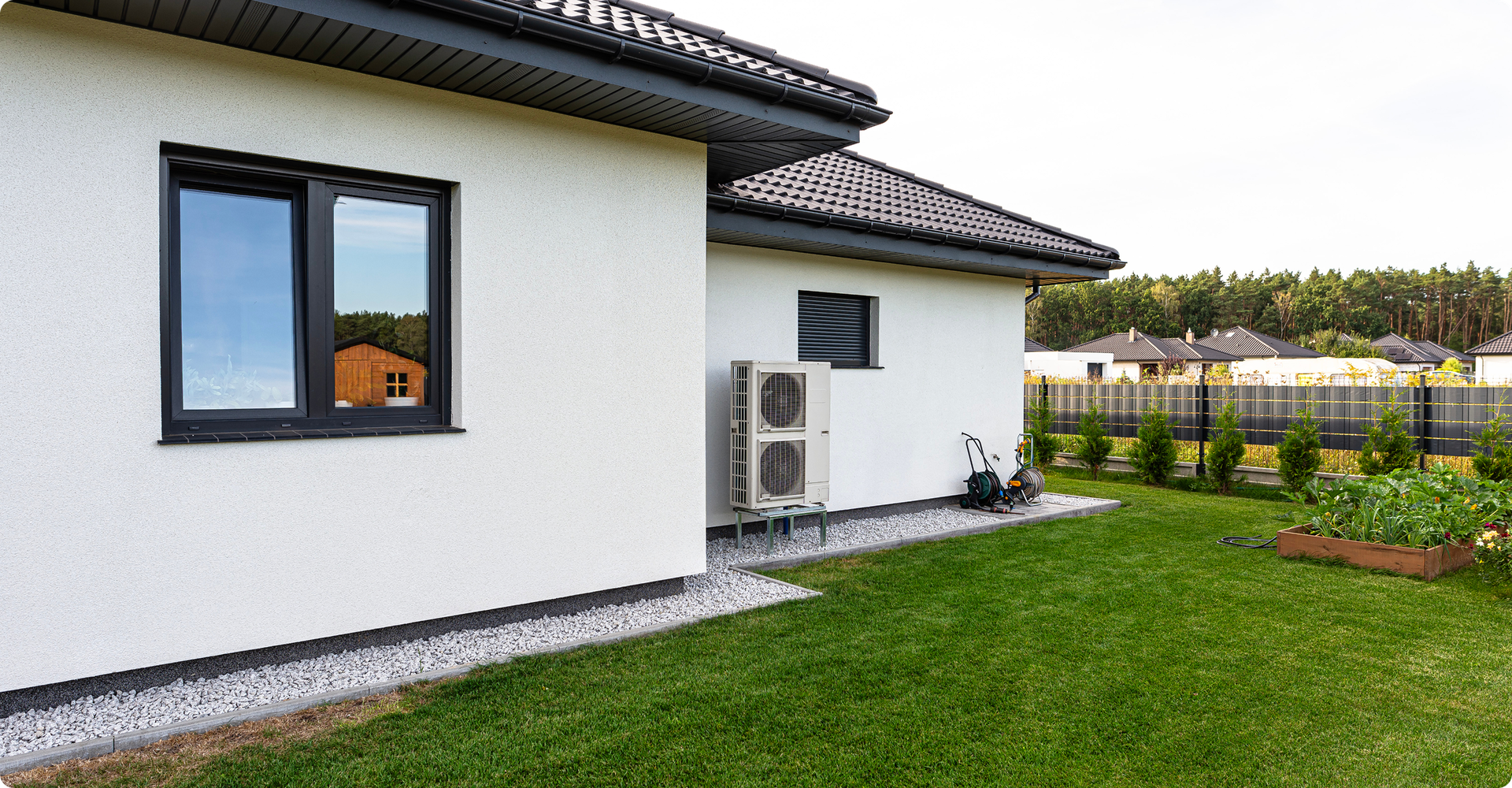
A heat pump is one of the most efficient solutions for heating and, in many cases, cooling, suitable for both newly built and renovated homes. The main selection criterion is the type of heat pump: air-to-air, air-to-water, or ground-to-water. Air-to-air models are an excellent choice for smaller spaces and supplementary heating, while air-to-water systems are better suited for heating an entire home through underfloor heating or radiators. It is important to properly assess the home’s heat loss, as this is used to calculate the required heat pump capacity. It is also worth knowing that some models may require an additional heat source during winter, as their efficiency decreases at very low outdoor temperatures. The control system is equally important. Smart controls make it possible to save energy and maintain a comfortable indoor climate automatically.
One of the most common mistakes is incorrectly assessing the required heat pump capacity. A unit that is too weak will not provide enough heat during the coldest period, while one that is too powerful will operate inefficiently and be more expensive than necessary. Another frequent issue is forgetting that an air-to-water heat pump requires a proper heating circuit design and correctly prepared hydraulic setup. Installation mistakes such as choosing an unsuitable location for the outdoor unit, incorrect pipe slope, or heat loss in the pipework can reduce system efficiency or even cause malfunctions. Another common mistake is not installing, or incorrectly configuring, the backup electric heater, which should activate when outdoor temperatures become extremely low.
A heat pump requires periodic technical maintenance to ensure stable operation and extend its service life. The main maintenance tasks include inspecting the outdoor unit, cleaning away dust and dirt, and checking the condensate system. In the indoor system, the pressure of the heating circuit should be checked regularly, and in some cases the system may need to be topped up with water. If the heat pump has filtration elements, such as in an air-to-air system, the filters should be cleaned or replaced regularly. It is also important to check the control settings once a year, as system efficiency can sometimes decrease because of incorrect parameter settings.
A heat pump can significantly reduce heating costs, especially in newly built homes with underfloor heating. Modern units operate very quietly, and their COP (coefficient of performance) often exceeds 4–5 even under average conditions. Many systems can be integrated with solar power installations, and some models also offer domestic hot water production. It is worth knowing that most manufacturers require the unit to be installed by certified technicians in order for the warranty to remain valid. In addition, a properly installed heat pump not only provides heating, but also automatically adapts to weather conditions, helping to save energy every day.